
How Stonewashing Enzymes Are Changing the Textile Industry
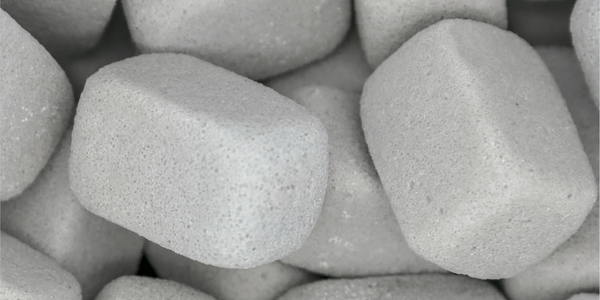
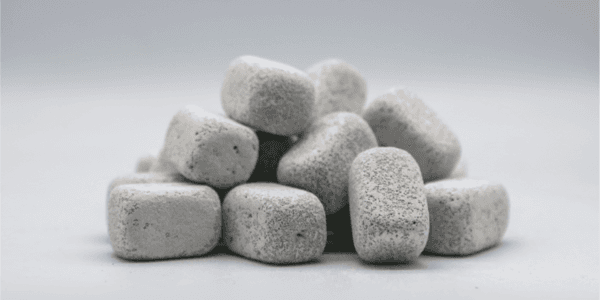
Stonewashing Enzymes are enzymes commonly used in the textile industry and are mainly used in the stonewashing process of denim.
The definition and function of Stonewashing Enzymes
Stonewashing Enzymes is a special biological enzyme mainly used in the stonewashing process of denim. This enzyme breaks down natural fibers in denim, such as cotton fibers, causing wear and fading in the fabric. This effect mimics the natural wear and tear of stone on cloth, hence the name "stonewashing."
How Stonewashing Enzymes Work
The working principle of Stonewashing Enzymes mainly involves the catalysis of biological enzymes. These enzymes can catalyze specific biological reactions and speed up the reaction rate, but they are not consumed during the reaction.
In the stonewashing process of denim, Stonewashing Enzymes mainly catalyze the reaction that breaks down cotton fibers. These enzymes can recognize specific parts of cotton fibers and catalyze hydrolysis reactions at these parts to break down the cotton fibers. This decomposition process causes the color and texture of the fabric's surface to change, creating wear and fading effects.
The activity of Stonewashing Enzymes is affected by temperature, pH value and reaction time. Under optimal conditions, these enzymes are most active and can break down cotton fibers most efficiently. It is very important to control the temperature, pH value and reaction time during the stone washing process.
The definition and function of Stonewashing Enzymes
Stonewashing Enzymes is a special biological enzyme mainly used in the stonewashing process of denim. This enzyme breaks down natural fibers in denim, such as cotton fibers, causing wear and fading in the fabric. This effect mimics the natural wear and tear of stone on cloth, hence the name "stonewashing."
How Stonewashing Enzymes Work
The working principle of Stonewashing Enzymes mainly involves the catalysis of biological enzymes. These enzymes can catalyze specific biological reactions and speed up the reaction rate, but they are not consumed during the reaction.
In the stonewashing process of denim, Stonewashing Enzymes mainly catalyze the reaction that breaks down cotton fibers. These enzymes can recognize specific parts of cotton fibers and catalyze hydrolysis reactions at these parts to break down the cotton fibers. This decomposition process causes the color and texture of the fabric's surface to change, creating wear and fading effects.
The activity of Stonewashing Enzymes is affected by temperature, pH value and reaction time. Under optimal conditions, these enzymes are most active and can break down cotton fibers most efficiently. It is very important to control the temperature, pH value and reaction time during the stone washing process.