
The Benefits of Using Bio Polishing Enzymes in Textile Finishing
Introduction
Bio Polishing Enzymes have been rapidly gaining popularity in the textile industry due to their eco-friendly and sustainable nature. These enzymes are used in the finishing process of textiles to enhance their feel, softness, and appearance.
What are Bio Polishing Enzymes?
Bio Polishing Enzymes are a group of biocatalysts that act on the surface of textile fibers to remove unwanted protruding fibers and impurities. This improves the overall texture and appearance of the fabric. The enzymes work by breaking down the cellulose fibers in the fabric, leading to surface smoothing or polishing.
The Benefits of Using Bio Polishing Enzymes in Textile Finishing
There are numerous benefits of using Bio Polishing Enzymes in textile finishing, including:
1. Improved Softness: Bio Polishing Enzymes help to reduce the stiffness of the fabric, making it softer and more comfortable to wear. This is particularly useful for fabrics used in clothing such as t-shirts, underwear, and socks.
2. Increased Durability: Bio Polishing Enzymes can increase the strength of the fabric, making it more durable and resistant to wear and tear.
3. Reduced Pilling: Pilling is a common issue with fabrics made from natural fibers, where small balls of fiber accumulate on the surface of the fabric. Bio Polishing Enzymes can help to reduce pilling, leading to a smoother and more even appearance.
4. Enhanced Color Retention: Bio Polishing Enzymes can help to improve the color retention of the fabric, ensuring that it looks vibrant and fresh even after multiple washes.
5. Environmentally Friendly: Unlike traditional finishing methods that use harsh chemicals, Bio Polishing Enzymes are eco-friendly and sustainable. They are biodegradable and do not harm the environment.
How Bio Polishing Enzymes Work in Textile Finishing
Bio Polishing Enzymes work by breaking down the surface fibers of the fabric, leading to a smoother and more even appearance. There are two types of Bio Polishing Enzymes used in textile finishing:
1. Cellulase Enzymes: These enzymes break down the cellulose fibers in the fabric, leading to surface smoothing or polishing.
2. Pectinase Enzymes: These enzymes break down the pectin in the fabric, which is responsible for the stiffness of the fabric. This leads to improved softness and comfort.
Conclusion
Bio Polishing Enzymes are an excellent alternative to traditional finishing methods in the textile industry. They offer numerous benefits, including improved softness, durability, reduced pilling, enhanced color retention, and environmental friendliness. As more businesses recognize the benefits of Bio Polishing Enzymes, we can expect to see their widespread use in the industry, contributing to a more sustainable and eco-friendly future.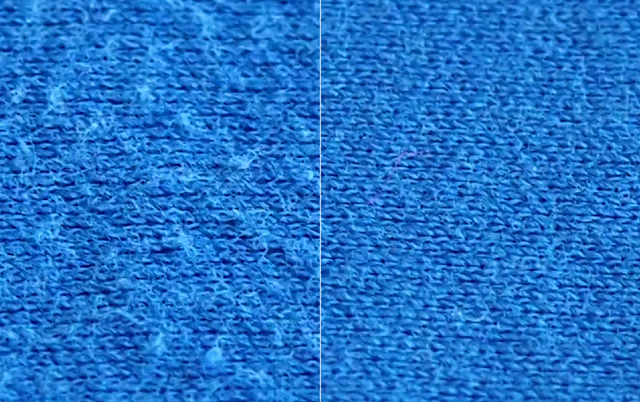
Bio Polishing Enzymes have been rapidly gaining popularity in the textile industry due to their eco-friendly and sustainable nature. These enzymes are used in the finishing process of textiles to enhance their feel, softness, and appearance.
What are Bio Polishing Enzymes?
Bio Polishing Enzymes are a group of biocatalysts that act on the surface of textile fibers to remove unwanted protruding fibers and impurities. This improves the overall texture and appearance of the fabric. The enzymes work by breaking down the cellulose fibers in the fabric, leading to surface smoothing or polishing.
The Benefits of Using Bio Polishing Enzymes in Textile Finishing
There are numerous benefits of using Bio Polishing Enzymes in textile finishing, including:
1. Improved Softness: Bio Polishing Enzymes help to reduce the stiffness of the fabric, making it softer and more comfortable to wear. This is particularly useful for fabrics used in clothing such as t-shirts, underwear, and socks.
2. Increased Durability: Bio Polishing Enzymes can increase the strength of the fabric, making it more durable and resistant to wear and tear.
3. Reduced Pilling: Pilling is a common issue with fabrics made from natural fibers, where small balls of fiber accumulate on the surface of the fabric. Bio Polishing Enzymes can help to reduce pilling, leading to a smoother and more even appearance.
4. Enhanced Color Retention: Bio Polishing Enzymes can help to improve the color retention of the fabric, ensuring that it looks vibrant and fresh even after multiple washes.
5. Environmentally Friendly: Unlike traditional finishing methods that use harsh chemicals, Bio Polishing Enzymes are eco-friendly and sustainable. They are biodegradable and do not harm the environment.
How Bio Polishing Enzymes Work in Textile Finishing
Bio Polishing Enzymes work by breaking down the surface fibers of the fabric, leading to a smoother and more even appearance. There are two types of Bio Polishing Enzymes used in textile finishing:
1. Cellulase Enzymes: These enzymes break down the cellulose fibers in the fabric, leading to surface smoothing or polishing.
2. Pectinase Enzymes: These enzymes break down the pectin in the fabric, which is responsible for the stiffness of the fabric. This leads to improved softness and comfort.
Conclusion
Bio Polishing Enzymes are an excellent alternative to traditional finishing methods in the textile industry. They offer numerous benefits, including improved softness, durability, reduced pilling, enhanced color retention, and environmental friendliness. As more businesses recognize the benefits of Bio Polishing Enzymes, we can expect to see their widespread use in the industry, contributing to a more sustainable and eco-friendly future.